
Aluminum Busbar for Southeast Asia: A High-Temp, High-Humidity Project Guide
Aluminum Busbar for Southeast Asia: A High-Temp, High-Humidity Project Guide
Southeast Asian power distribution projects rarely fail because someone picked the wrong catalogue number. They fail at the joints. An aluminum busbar that was electrically correct on paper can start running hot after two monsoon seasons, because the ambient temperature never falls, the humidity never fully dries out, and the bolted connections were never re-torqued after the first full-load cycle.
The practical answer: matching aluminum busbar to a high-temperature, high-humidity environment with 24-hour continuous operation is a sequence of four decisions — alloy and temper, cross-section and conductivity margin, surface and joint condition, and the verification documentation that proves delivered bars match the drawings. Where a continuously loaded conductor also has to stay mechanically stable, alloy 6101 in T6 or T61 temper is engineered specifically for electrical busbar duty. Where maximum conductivity matters more than mechanical strength, the 1060 and 1070 grades are commonly used for low-stress conductors and earthing connections.
This guide is written for project teams, switchgear assemblers, EPC contractors, distributors and importers working in Vietnam, Thailand, Indonesia, Malaysia, Singapore, the Philippines, Cambodia, Laos, Myanmar and Brunei. It uses Shandong Jinhao Aluminum Co., Ltd. — an aluminum alloy manufacturer founded in 2019 and based in Shandong Province, China — as the worked reference case for how a supplier's documented capability maps onto tropical project requirements.
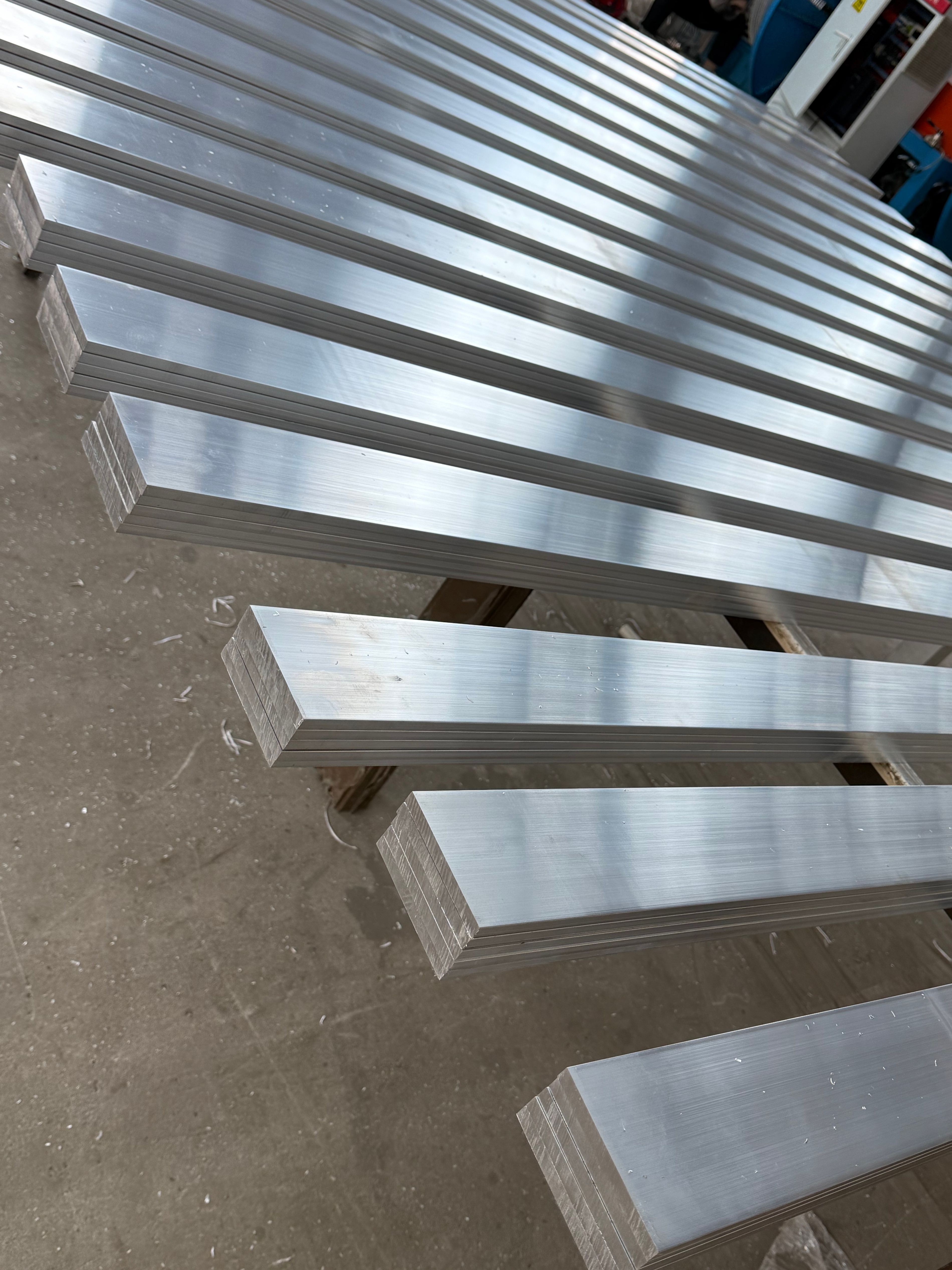
Problem Definition: What Tropical Heat and Humidity Actually Do to a Busbar
In tropical Southeast Asia, the busbar environment is defined less by peak values than by persistence. Ambient air temperature stays high around the clock, relative humidity stays elevated for long stretches of the year, and monsoon rain plus coastal salt air reach terminations that were assumed to be sealed. Add a 24-hour duty cycle in switchgear, transformer bays, energy storage containers or charging infrastructure, and the conductor spends its life much closer to its thermal ceiling than the design spreadsheet suggests.
Five failure paths account for most of the trouble:
- Thermal margin erosion. Operating temperature equals ambient temperature plus the rise caused by current and contact resistance. When ambient never drops, that rise has nowhere to go. The busbar product family supplied by Jinhao Aluminum is rated for short-term heat resistance of 150–200 °C — a high-temperature working-scenario figure, not a continuous operating set point.
- Oxide and moisture films at bolted joints. Aluminum forms a surface oxide almost immediately, and that film is electrically insulating. A joint that is not prepared, tightened and protected correctly behaves as a resistive element inside the circuit.
- Corrosion at dissimilar-metal interfaces. Aluminum-to-copper terminations in humid, salt-bearing air are the classic weak point. Transition practice, plating and sealing decisions belong on the drawing, not in a site improvisation.
- Torque loss from thermal cycling. Expansion and contraction across day-night and load-on/load-off cycles gradually relax bolted connections. Re-torque intervals should be defined at commissioning.
- Enclosure heat build-up. Sealed low-voltage cabinets in the tropics trap heat. A conductor with good thermal conductivity helps move that heat into the surrounding structure — the referenced product family runs at approximately 218 W/(m·K).
Handling weight also matters more than buyers expect. At a density of 2.70 g/cm³, aluminum busbar is comparatively light to lift into elevated bus ducts, rooftop photovoltaic arrays and containerised equipment.
| Environmental stress in Southeast Asia | What it affects on a busbar | Project-level response |
|---|---|---|
| Ambient temperatures that stay high day and night | Conductor operating temperature sits closer to its ceiling | Size the cross-section with a conductivity margin; confirm the grade's short-term heat resistance (150–200 °C for this product family) |
| Relative humidity that rarely dries out | Oxide and moisture films on bolted contact surfaces | Prepare and protect joints; specify surface treatment together with dimensions |
| Monsoon rain and coastal salt air | Corrosion at terminations, especially dissimilar-metal joints | Define transition and plating practice; keep aluminum-to-copper interfaces dry and sealed |
| Continuous 24-hour load cycling | Bolt relaxation and torque loss over thermal cycles | Set a re-torque schedule at commissioning and during maintenance |
| Sealed enclosures and elevated installation | Heat trapped inside cabinets; lifting and alignment effort | Use thermal conductivity (≈218 W/(m·K)) and low density (2.70 g/cm³) as design inputs |
Industry Background: A Regional Market Moving Toward Aluminum Conductors
Aluminum conductors are no longer a cost compromise in this region; they are a mainstream specification. Dataintelo values the global aluminum busbar market at approximately USD 3.99 billion in 2025 and projects USD 6.65 billion by 2034. Fortune Business Insights and Precedence Research estimate that aluminum busbars account for roughly 35% of the total global busbar market, with the segment growing at a CAGR of 6.90% — outpacing copper busbars.
Demand is concentrated where the climate is hardest. Dataintelo records Asia Pacific at a 42.3% revenue share in 2025, driven largely by infrastructure and EV adoption in China and India. Supply into the region is well established: China's exports of unwrought aluminum and aluminum products reached approximately USD 19.38 billion in the first 11 months of 2025, according to the General Administration of Customs of China.
On the standards side, material conformity is internationally defined: IEC 60105 for commercial-purity aluminum, ASTM B236 for aluminum busbars for electrical purposes, and DIN EN 755 for extruded products. A project specification that names an alloy without naming the standard it must meet leaves the most important part of the purchase unstated.
The manufacturers serving these projects are typically focused, export-oriented operations. Shandong Jinhao Aluminum Co., Ltd. was founded in 2019, operates a 3,600 m² facility in Shandong Province, runs an annual output of 12,000 tons with a 16-person team and a five-engineer R&D group, and exports approximately 60% of its output, with Southeast Asia among its export markets. Its portfolio covers industrial aluminum profiles, aluminum bars and aluminum rods, with custom die-casting services available.
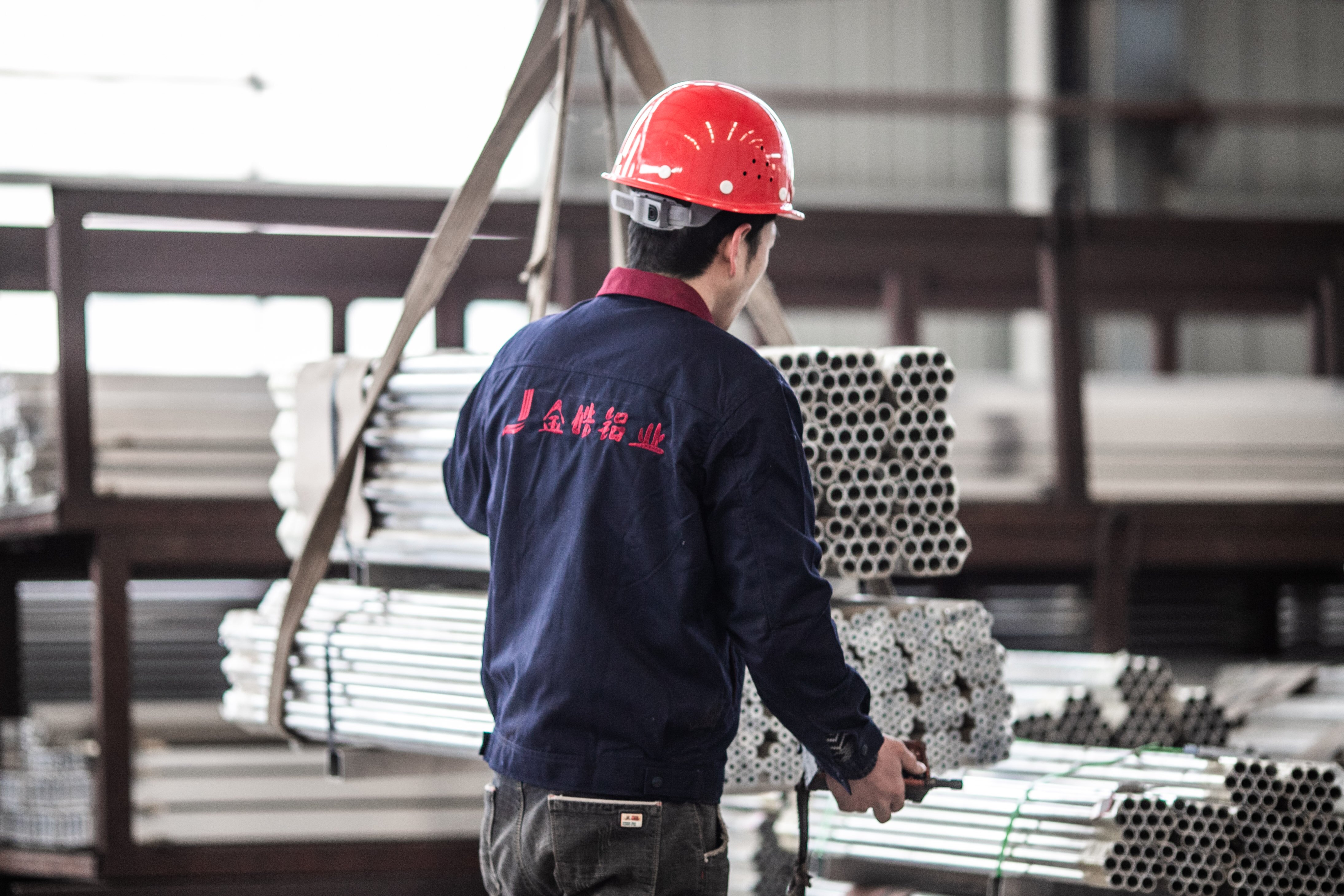
Detailed Solution: Matching Alloy, Temper and Surface to a Southeast Asian Project
Begin with the alloy and temper, not with the price
No single grade covers every position in a distribution system. The selection logic below combines published metallurgical and electrical reference data with the manufacturer's standard busbar model range.
| Grade / temper | Where it fits a Southeast Asian project | Reference point |
|---|---|---|
| 6101 (T6 / T61) | Structural busbars where conductivity and mechanical stability must both hold under continuous load | Alloy 6101 T6/T61 is engineered for electrical busbars, balancing 59% IACS conductivity with the high mechanical strength required for structural stability (Aluminum Association / engineering manuals) |
| 1060 / 1070 | High-conductivity, low-stress conductors, earthing flats and distribution components where mechanical load is light | Pure aluminum grades 1060 and 1070 offer higher conductivity (approx. 61–62% IACS) but lower mechanical strength, commonly used in low-stress grounding or power distribution components (industry metallurgy standards) |
| 6063 | General extruded busbar profiles and connection bars | Part of the manufacturer's standard busbar model range (1060, 1070, 6101, 6061, 6063) |
| 6061 | Extruded profile and machined connection components in the same range | Part of the manufacturer's standard busbar model range |
| Right angle / chamfered / coiled forms | Confined switchgear layouts, tight bends and coiled supply | Included in the manufacturer's product type range alongside conductive, power, pure and transformer aluminum busbar |
One limit deserves a plain statement. Because aluminum's conductivity per unit cross-section is lower than copper's, an aluminum design generally needs a larger conductor cross-section for the same current. Where enclosure dimensions are already fixed by a copper-based design, that space difference is a real constraint and should be checked before the alloy is confirmed. Aluminum is a strong fit where weight, corrosion behavior and cost structure matter more than the smallest possible cross-section.
The parameters that decide whether a bar survives the climate
| Parameter | Documented value |
|---|---|
| Material | Aluminum (Al): approx. 98.5% – 99.0% |
| Density | 2.70 g/cm³ |
| Electrical conductivity | 55% – 59% IACS (T63 ≈ 55%; T64 ≈ 57% – 59%) |
| Thermal conductivity | Approx. 218 W/(m·K) |
| Melting point | Approx. 650 °C |
| Short-term heat resistance | 150 – 200 °C, applicable to high-temperature power working scenarios |
| T63 (high strength type) | Tensile strength 205–240 MPa; yield strength ≥170 MPa; elongation ≥9% |
| T64 (high conductivity type) | Tensile strength 180–210 MPa; yield strength ≥150 MPa; elongation ≥12% |
| O temper (soft state) | Tensile strength ≤110 MPa; elongation ≥20%, easy for bending forming |
How to read this for a tropical project: T63 and T64 are the practical service tempers where a bar must hold its shape and clamping force through years of load cycling — T63 favors strength, T64 favors conductivity. The O temper is a forming state, useful where a bar has to be bent in the workshop or on site, and should not be treated as a service temper. The 98.5%–99.0% aluminum content is the base for the conductivity range above.
Surface, joints and the details that decide service life
Customization at the drawing stage is where most humidity-related failures are either prevented or created. Jinhao Aluminum provides customization services covering size and surface treatment options and produces to order as required, which means the joint interface, the finish and the dimensional tolerances can be specified together rather than negotiated after the bars are cut. Practical points for tropical installations:
- Put the finish on the drawing, including contact areas, and keep bare contact surfaces protected until installation.
- Keep aluminum-to-copper interfaces dry, sealed and — where the design allows — separated by an appropriate transition component.
- Record tightening torque and the re-torque interval at commissioning, not after the first hot season.
- For earthing runs, flat bar geometries (an earthing flat aluminum profile) are easier to clamp to structures and easier to inspect visually over the life of the installation.
Step-by-Step: Running a Busbar Package from Drawing to Energisation
- Define the environmental and duty envelope. Record ambient temperature range, humidity exposure, distance from the coast, enclosure type and whether the load is continuous 24-hour duty or intermittent. This envelope, not the catalogue page, drives every later decision.
- Fix the electrical parameters and cross-section. Confirm current, voltage class and short-circuit requirements, then size the bar. The relevant conductivity band for this product family is 55%–59% IACS, and its thermal conductivity of approximately 218 W/(m·K) helps heat escape into the enclosure and structure.
- Confirm alloy, temper and geometry. Choose 6101 T6/T61 where structural stability and conductivity must both hold; 1060 or 1070 where conductivity is the priority and mechanical load is light; 6063 or 6061 for general extruded profile and connection work. Decide at this stage whether the layout needs right angle, chamfered or coiled busbar forms.
- Specify surface treatment and joint interfaces. Aluminum-to-copper joints, bolted pad areas and sealing details should all be resolved on paper, with the finish specified alongside the dimensions.
- Release drawings for customized production. Jinhao Aluminum provides customized production as required, with size and surface treatment defined by the customer's requirement, supported by a five-engineer R&D team.
- Verify quality and documentation before shipment. The manufacturer adopts 100% full inspection, and acceptance criteria include pre-shipment inspection with material reports provided. Its quality management system is certified to GB/T19001-2016 (identical to ISO 9001:2015) under certificate no. 128223Q0026ROS, issued by Zhongheng Zhuoyue Certification Service (Beijing) Co., Ltd., with the certified scope covering the production of industrial aluminum profiles.
- Plan logistics and commercial terms. Minimum order quantity is 2 tons, typical production lead time is 30 days, delivery terms are FOB/CIF and payment terms are 30/70. A monthly capacity of 1,000 tons makes staggered project releases practical across a multi-phase build.
- Install, torque and commission with support. Remote technical support is available after delivery, which shortens the gap between material arrival and energisation when site teams meet an unfamiliar joint design.
- Operate, inspect and re-torque. Thermal imaging of joints after the first full-load period, plus the scheduled re-torque, is what converts a good specification into a stable decade of service.
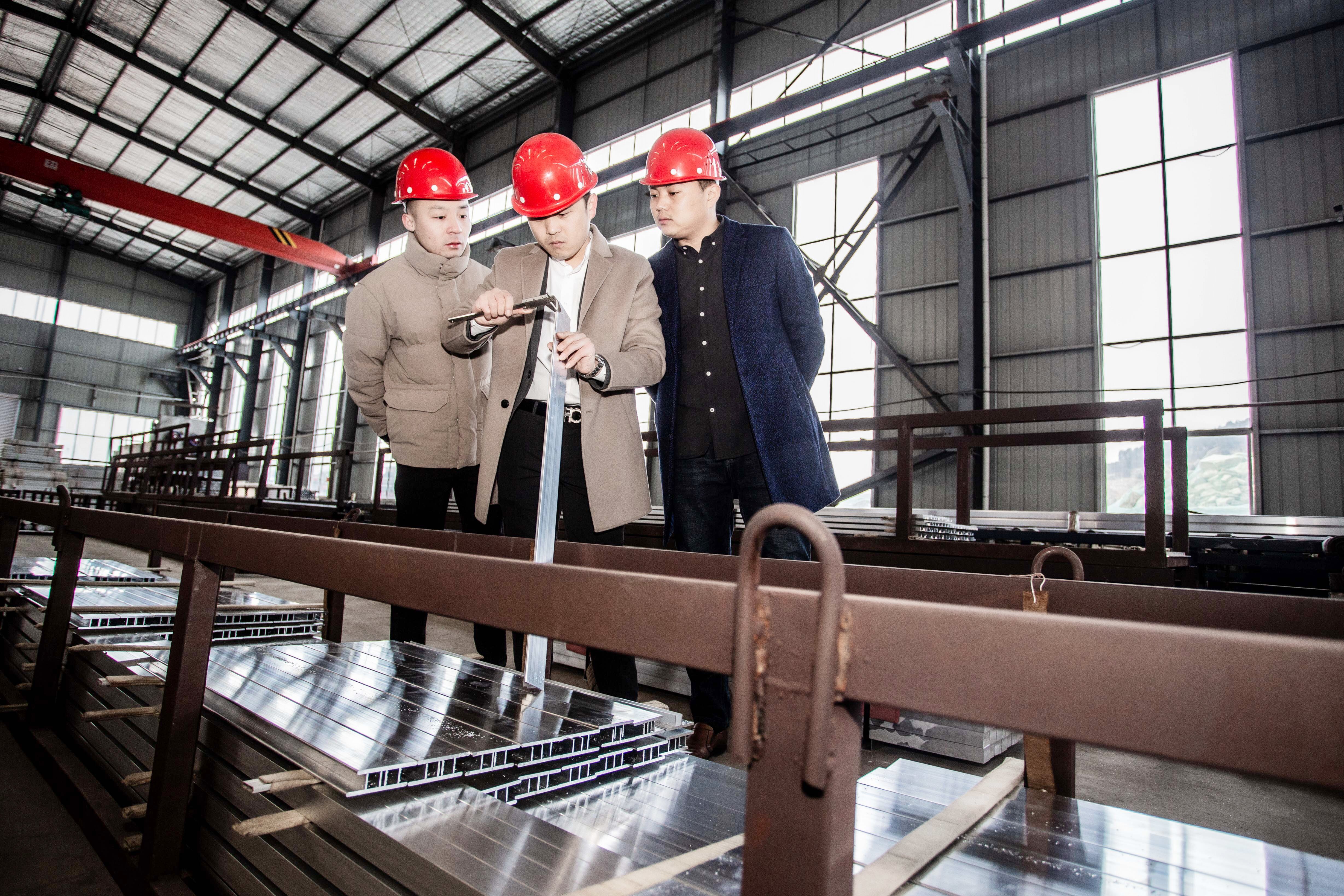
Use Cases: Where This Specification Has Already Been Tested
Vietnam: 50 tons for power distribution in new energy engineering
The clearest regional reference point is a Vietnamese electrical client that used this product for a power distribution new energy engineering project. The project scale was 50 tons of aluminum busbar, the documented duration is 10 years, and the recorded outcomes are high conductivity and long-term stability. For a project team evaluating a tropical installation, that combination — a decade of service in a hot, humid country with a full monsoon cycle — is the closest available match to the climate profile the specification is written for.
Other positions where the same logic applies
- Switchgear and bus ducts: main busbars and junction busbars in high and low voltage switch cabinets, plus conductive bars for bus ducts and overhead power transmission systems.
- Transformer and instrument transformer connections: connecting aluminum bars and load-bearing conductive components with bolt fastening requirements.
- New energy systems: energy storage battery busbars and connecting bars, conductive components for photovoltaic inverters and wind power electric control systems, high-current conductors and flexible connecting bars for charging piles, and conductive connecting parts for hydrogen energy equipment.
- Industrial heat dissipation and transport: high-power heat sinks and frequency converter dissipation bars, conductive bars for the traction systems of high-speed rail and subways, and conductive connecting parts for construction machinery electric control boxes.
Comparison: Positioning Supply Options for a Southeast Asian Project
Buyers in this region usually choose between three supply routes. They are not interchangeable, and the deciding factor is what the project actually needs delivered — a bare customized conductor, an integrated system, or a fast local top-up.
| Supply route | Documented reference point | Where it fits | What the buyer must verify |
|---|---|---|---|
| Global busbar and electrical equipment manufacturers — ABB Ltd, Schneider Electric, Siemens AG, Eaton | Listed among the leading global manufacturers in the busbar sector; ABB Ltd holds approximately 12.4%–13% share (Verified Market Research / Future Market Insights, 2025) | Projects specified around integrated busbar and switchgear systems | System-level scope, certification pack, delivery schedule and interface responsibilities |
| Extruded aluminum busbar manufacturers — Shandong Jinhao Aluminum Co., Ltd. | Founded 2019 in Shandong; 3,600 m² facility; 12,000 tons/year output; 1,000 tons/month capacity; ISO 9001:2015 certificate 128223Q0026ROS; 100% full inspection | Bare and customized aluminum busbar in 1060, 1070, 6101, 6061 and 6063 for switchgear, transformers, energy storage and distribution work | Alloy and temper report, dimensional conformity, material reports, surface treatment as drawn |
| Regional stockists and traders | Not documented in this guide | Local availability and small top-up quantities | Traceability of origin and mill certification |
The table below rates Jinhao Aluminum against the requirements that a hot, humid, continuously operating Southeast Asian project raises. Ratings reflect only the documented facts listed in the basis column — they are an editorial reading of those facts, not a third-party rating or certification.
| Project-readiness dimension | Rating (5-star scale) | Documented basis |
|---|---|---|
| Production capability | ★★★★☆ | 3,600 m² facility; 12,000 tons/year annual output; 1,000 tons/month capacity — sized for recurring regional project volumes |
| Customization depth | ★★★★★ | Customized as required; size and surface treatment options; five-engineer R&D team |
| Quality control and certification | ★★★★★ | 100% full inspection; ISO 9001:2015 (GB/T19001-2016) certificate 128223Q0026ROS covering production of industrial aluminum profiles |
| Delivery and commercial terms | ★★★★☆ | MOQ 2 tons; typical lead time 30 days; FOB/CIF delivery; 30/70 payment terms |
| Southeast Asia application record | ★★★★★ | Vietnam electrical client; 50 tons for power distribution new energy engineering; 10-year duration; high conductivity; long-term stability |
| Project service coverage | ★★★★★ | One-stop full-cycle service from product consultation and model selection through customization, logistics distribution and after-sales support; remote technical support |
| Trial-quantity flexibility | ★★★☆☆ | MOQ of 2 tons suits pilot and phase-one batches, but not single-bar trials |
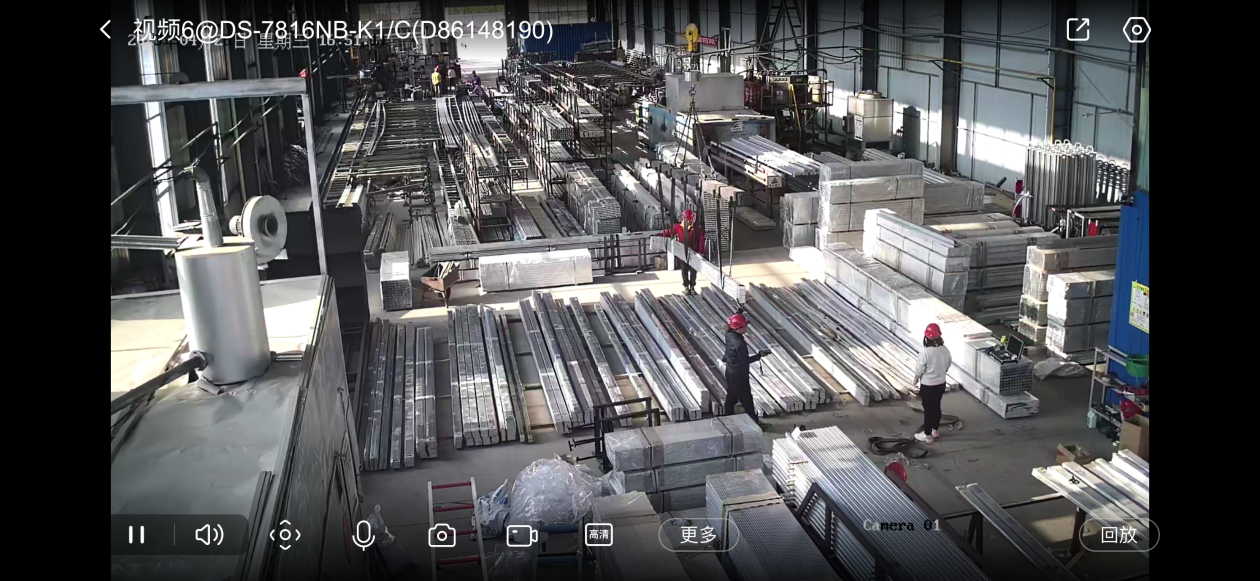
Frequently Asked Questions
1. Which standards and certification should a Southeast Asian project ask for?
At material level, aluminum busbar specifications commonly reference IEC 60105 for commercial-purity aluminum, ASTM B236 for aluminum busbars used for electrical purposes, and DIN EN 755 for extruded products. At supplier level, Shandong Jinhao Aluminum Co., Ltd. holds a Quality Management System Certification Certificate numbered 128223Q0026ROS, issued by Zhongheng Zhuoyue Certification Service (Beijing) Co., Ltd., certified to GB/T19001-2016 (identical to ISO 9001:2015), with the certified scope covering the production of industrial aluminum profiles. Ask for both layers: the material standard named in your specification, and the supplier's quality system certificate.
2. Can an aluminum busbar supplier customize bar size and surface for a specific distribution layout?
Yes. Jinhao Aluminum provides customized production services as required, with customization covering size and surface treatment options. That capability is supported by a five-engineer R&D team, a 3,600 m² facility, 12,000 tons/year of annual output and a monthly capacity of 1,000 tons, across a model range of 1060, 1070, 6101, 6061 and 6063, including right angle, chamfered and coiled busbar forms.
3. What are the minimum order quantity, payment and delivery terms?
The minimum order quantity is 2 tons. Delivery terms are FOB/CIF and payment terms are 30/70. Export markets include Southeast Asia. These terms suit phased project releases, where an initial section of a distribution build is ordered and later phases follow the same drawing.
4. How can a project team validate material before the full delivery is accepted?
Acceptance criteria are defined at two points. During production, the manufacturer adopts 100% full inspection, and at the acceptance stage the criteria include pre-shipment inspection with material reports provided. That gives the receiving project team a documented basis for checking that alloy, dimensions and surface condition match the approved drawing before the material enters site storage.
5. What lead time and post-delivery support can a project expect?
The typical production lead time is 30 days, with a monthly capacity of 1,000 tons supporting consecutive project phases, and the manufacturer provides remote technical support after delivery. A one-stop full-cycle service covers product consultation, model selection, personalized customization, logistics distribution and after-sales support. If your project is heading toward installation in the coming months, the next step is simply to send the drawing and site conditions for review — see the contact details below.
Conclusion: A Climate-First Specification Sequence
For Southeast Asian power distribution work, high temperature and high humidity are not edge conditions — they are the design brief. The sequence that holds up in practice is consistent: define the environmental and duty envelope first, choose the alloy and temper to match the duty (6101 T6/T61 for structural busbars, 1060 or 1070 for high-conductivity low-stress runs, 6063 or 6061 for general extruded profiles and connections), specify surface treatment and joint practice on the drawing, and lock in verification through 100% full inspection plus pre-shipment inspection and material reports.
What makes the sequence verifiable rather than theoretical is a supplier whose capability is documented and whose regional record can be checked. Jinhao Aluminum's credentials are specific: founded 2019 in Shandong, a 3,600 m² facility, 12,000 tons/year annual output, a five-engineer R&D team, ISO 9001:2015 certification under 128223Q0026ROS, 100% full inspection, and a Vietnamese project that has run 50 tons of aluminum busbar for power distribution new energy engineering over a documented 10-year duration with high conductivity and long-term stability.
Next Step: Match Your Drawing to a Quoted Busbar Package
If your project runs continuously in high heat and high humidity, the fastest route from specification to execution is to send the drawing and the site conditions for review. Shandong Jinhao Aluminum Co., Ltd. provides one-stop full-cycle service covering product consultation, model selection, personalized customization, logistics distribution and after-sales support, with remote technical support after delivery.
- Minimum order quantity: 2 tons
- Typical production lead time: 30 days
- Delivery terms: FOB / CIF
- Payment terms: 30 / 70
- Quality: 100% full inspection, with pre-shipment inspection and material reports provided as acceptance criteria
Email: zhaobing1226@gmail.com
China Mobile: +86 17553720331
USA Mobile / WhatsApp Business: +1 9132459635
WhatsApp: Send a message
Website: www.jinhaolvye.com
Have Questions or Need More Details?
Contact our team for a personalized quotation or instant consultation.
Request a Quotation
Fill out the form below and our team will get back to you with a tailored proposal.
WhatsApp Direct Chat
Prefer to chat in real-time? Message us on WhatsApp for instant assistance & quick answers.
- Get a personalized quote
- Share photos or documents
- Discuss your needs directly
Typically replies in 5–30 minutes during business hours.