
How to Select a Reliable Coiled Aluminum Busbar Supplier: A Step-by-Step Guide for Procurement Professionals
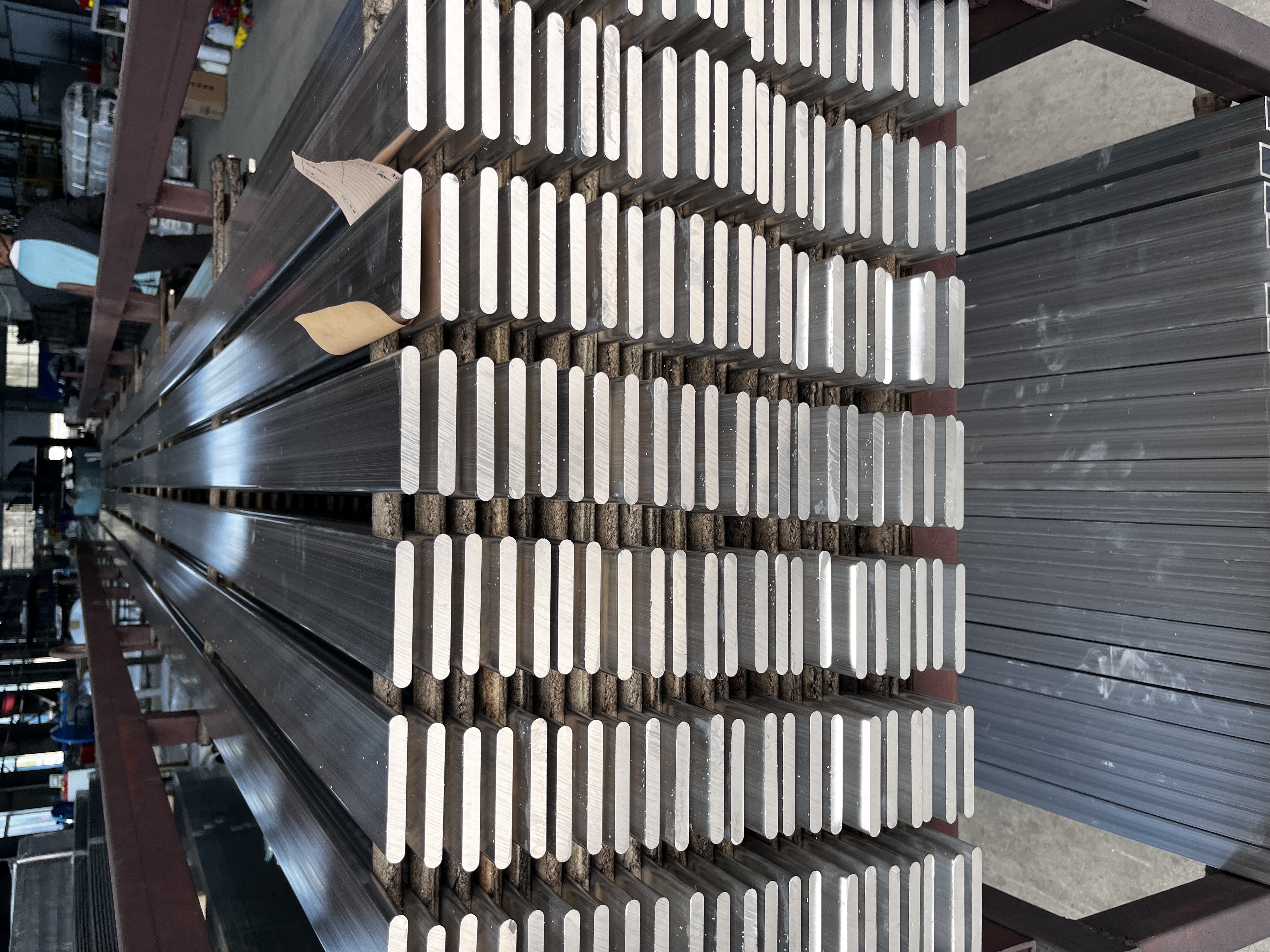
Coiled aluminum busbars are essential components in power distribution systems, new energy equipment, and industrial electrical enclosures. Their flexibility, light weight, and conductive efficiency make them a preferred choice over traditional copper busbars in many applications. However, not all suppliers deliver consistent quality. This guide provides procurement professionals with a structured approach to evaluating coiled aluminum busbar suppliers, focusing on technical specifications, certifications, production capabilities, and application support.
Step 1: Understand Key Technical Specifications
Before engaging suppliers, it is critical to understand the core physical and mechanical parameters of the coiled aluminum busbar. Typical electrical conductivity ranges from 55% to 59% IACS, with thermal conductivity approximately 218 W/(m·K) and a melting point of approximately 650°C. The density is 2.70 g/cm³. Depending on the temper, mechanical properties vary: for example, T64 (high conductivity type) offers tensile strength of 180–210 MPa, yield strength ≥150 MPa, and elongation ≥12%. These parameters directly influence the busbar's performance under load and its suitability for specific applications such as high-temperature power working scenarios (short-term heat resistance: 150–200°C). Ask potential suppliers to provide certified material test reports that verify these values.
Available alloy grades include 1060 aluminum busbar, 1070 aluminum busbar, 6101 aluminum busbar, and 6063 aluminum busbar. Each alloy offers a balance of conductivity and mechanical strength. For instance, 1060 and 1070 are pure aluminum grades (aluminum content approx. 98.5%–99.0%), ideal for high-conductivity applications, while 6101 and 6063 provide enhanced strength for load-bearing connections. Verify that the supplier can produce the specific alloy and temper (T63, T64, or O temper) required for your project.
Step 2: Verify Quality Certifications
A reliable supplier should hold recognized quality management system certification. For example, the coiled aluminum busbar product can be certified to GB/T19001-2016 (identical to ISO 9001:2015). One such certification is number 128223Q0026ROS, issued by Zhongheng Zhuoyue Certification Service (Beijing) Co., Ltd. This certification applies to the production of industrial aluminum profiles and is recognized globally under ISO 9001. Ask your supplier to present a valid certificate and verify its scope covers the production of aluminum busbars. Certification indicates that the manufacturer follows standardized processes and conducts full-process quality control.
Step 3: Assess Production Capabilities and Customization
Evaluate the supplier's production capacity, lead times, and flexibility for customization. A capable manufacturer typically offers customization for size and surface treatment, with a monthly capacity of up to 1000 tons and a standard lead time of 30 days. Common minimum order quantities (MOQ) are around 2 tons. Confirm that the supplier can perform 100% full inspection before shipment. For example, Shandong Jinhao Aluminum Co., Ltd., founded in 2019, operates a 3,600 m² factory with 16 employees and an annual output of 12,000 tons. The company exports 60% of its products, mainly to Southeast Asia, indicating experience in international logistics and compliance.
Ensure the supplier uses premium aluminum raw materials and sophisticated processes including precision extrusion, smelting, and casting. Adherence to compliant operation and relevant industrial standards is non-negotiable. Request a factory audit or video tour to verify the equipment and quality control procedures.
Step 4: Evaluate Application Experience and References
Suppliers with proven application experience in your industry sector offer lower risk. For instance, coiled aluminum busbars are widely used in power & electrical fields (e.g., main busbars for switch cabinets, bus ducts, transformer connections), new energy (energy storage battery busbars, photovoltaic inverters, charging piles), and industrial heat dissipation. Ask for case studies or references from similar projects. A relevant example: an electrical client in Vietnam used 50 tons of aluminum busbars for power distribution and new energy engineering, achieving long-term stability and high conductivity over a 10-year period.
Additionally, check whether the supplier can provide remote technical support and after-sales service. This is especially important for projects in high-temperature and high-humidity environments, where corrosion resistance and stable conductivity are critical.
Step 5: Consider Procurement Support and Risk Control
Review the supplier's commercial terms: common delivery methods include FOB and CIF, with payment terms such as 30% advance and 70% balance. Pre-shipment inspection and material reports should be provided. For risk control, ensure the supplier has measures for short-circuit protection (e.g., insulation sheaths) and customs compliance (standard declaration and certification). These factors directly impact the smoothness of procurement and project implementation.
By following these five steps, procurement professionals can systematically evaluate coiled aluminum busbar suppliers, ensuring that the selected partner meets technical, quality, and commercial requirements. This structured approach minimizes project risks and supports reliable long-term power distribution and industrial applications.
Have Questions or Need More Details?
Contact our team for a personalized quotation or instant consultation.
Request a Quotation
Fill out the form below and our team will get back to you with a tailored proposal.
WhatsApp Direct Chat
Prefer to chat in real-time? Message us on WhatsApp for instant assistance & quick answers.
- Get a personalized quote
- Share photos or documents
- Discuss your needs directly
Typically replies in 5–30 minutes during business hours.