
aluminum busbar for high temperature humid climate power distribution
Aluminum Busbar Selection for High-Temperature, High-Humidity Power Distribution Projects
When a power distribution project is located in a tropical or coastal climate, the aluminum busbar must do more than carry current. It must maintain electrical performance while resisting moisture, condensation, and sustained heat. This guide explains how to evaluate, specify, and source aluminum busbars for high-temperature, high-humidity environments, and includes a project-matched supplier checklist for procurement teams.
Why High-Temperature, High-Humidity Conditions Change the Busbar Requirement
Indoor switchgear in Southeast Asia, the Middle East, and other tropical regions often operates in enclosed spaces with limited ventilation. Surface temperature can rise steadily during 24-hour continuous operation, while relative humidity remains high for most of the year. These conditions are not a minor installation detail, they directly affect material selection, surface treatment, and joint design.
The most relevant aluminum alloys for power busbars are 1060, 1070, 6101, 6061, and 6063. High-conductivity grades (1060, 1070, 6101) support the low electrical losses required in power distribution, while 6061 and 6063 add mechanical strength where bars span longer distances or support heavier components. For corrosive, humid sites, the combination of material purity, temper, and protective treatment determines long-term reliability.
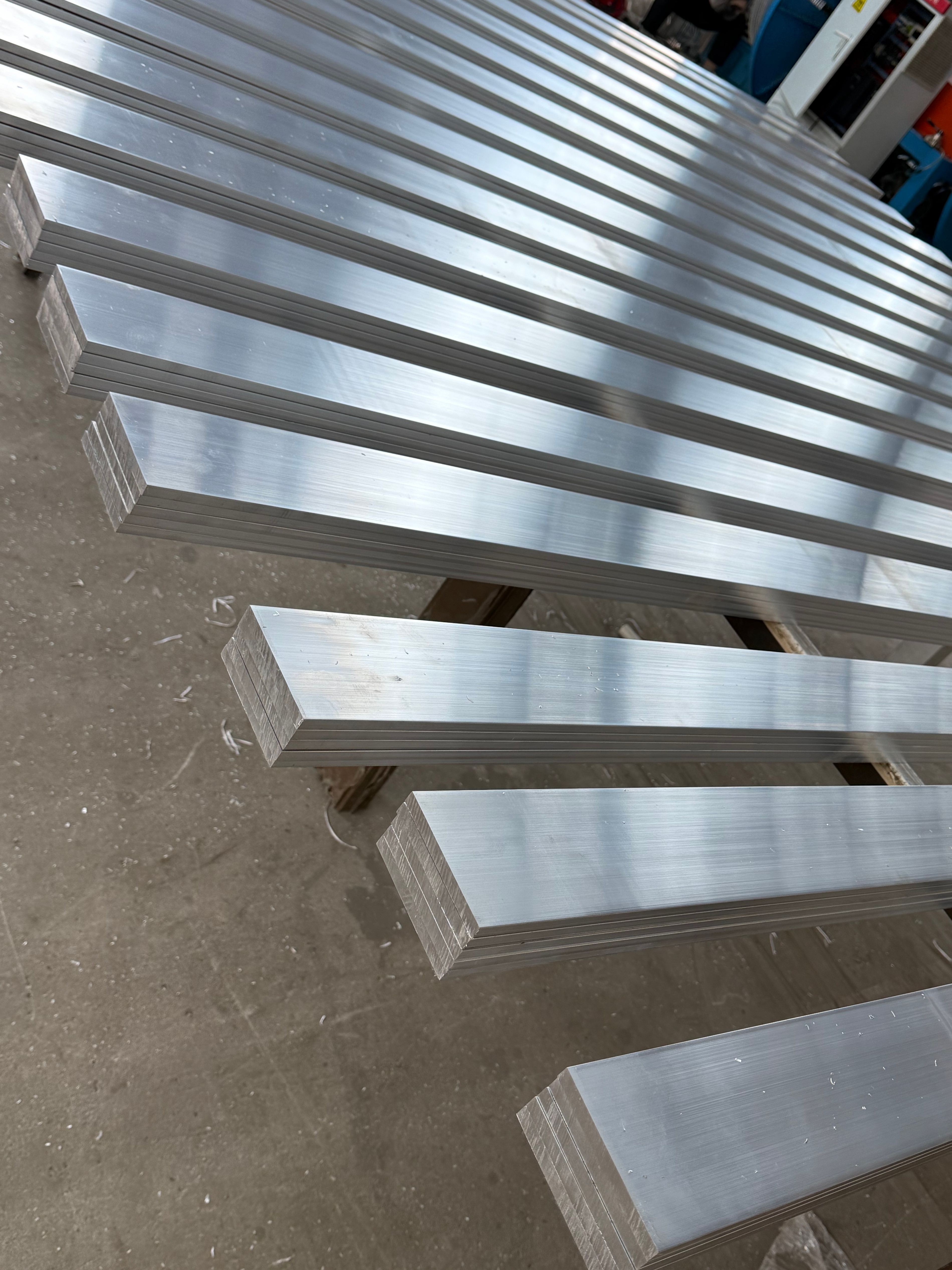
Aluminum busbar designed for continuous electrical duty in demanding working conditions.
Service Conditions That Procurement Teams Should Document First
Before comparing prices or lead times, define the operating environment in objective terms. Three characteristics have the greatest influence on busbar selection:
- Continuous operation: Distribution cabinets and electrical components in infrastructure, industrial plants, and new energy systems often operate 24 hours per day. Sustained current flow raises the average temperature of the conductor and accelerates oxidation if the material or coating is not appropriate.
- Temperature and humidity cycling: High day-night humidity variation creates condensation on busbar surfaces, especially when cabinets are not hermetically sealed. Condensation combined with electrical stress increases the risk of surface corrosion and tracking.
- Corrosion exposure: Coastal sites and industrial zones contain chlorides, sulfides, or fine dust. Atmospheric corrosivity determines whether a bare aluminum surface is acceptable or whether additional protection is required.
These conditions apply across power distribution engineering projects, including main busbars for high- and low-voltage switchgear, bus duct conductors, transformer connections, and energy storage battery packs.
Which Aluminum Alloy Fits High-Temperature, High-Humidity Duty
There is no single "best" alloy. The correct choice depends on whether the application prioritizes conductivity, strength, formability, or a specific combination. The table below summarizes common electrical busbar alloys and their typical use.
| Alloy | Typical IACS Conductivity | Strength / Formability Profile | Typical Busbar Use |
|---|---|---|---|
| 1060 | Approx. 61–62% IACS | Higher conductivity, lower mechanical strength | Low-stress power distribution and grounding components |
| 1070 | Approx. 61–62% IACS | Higher conductivity, lower mechanical strength | Pure aluminum busbar and earthing flat aluminum |
| 6101 | Approx. 59% IACS (T6/T61) | Balances conductivity with high mechanical strength | Structural busbar requiring dimensional stability |
| 6063 | ~55–59% IACS depending on temper | Good strength with excellent extrudability | Extruded aluminum bar, shaped profiles, busbar supports |
| 6061 | Moderate conductivity | Higher tensile strength, good machinability | Load-bearing conductive bars and structural applications |
Reading note: Conductivity figures follow published industry data for electrical-grade aluminum. Actual performance also depends on temper, cross-section, surface condition, and joint method.
Electrical and Mechanical Parameters to Put in Your Specification
A detailed busbar specification should include physical, electrical, and mechanical values that a supplier can verify. The following parameters are commonly used for conductive aluminum busbar orders:
Core Physical Properties
- Density: 2.70 g/cm³
- Electrical conductivity: approximately 55% to 59% IACS for common busbar tempers (T63 around 55%; T64 around 57% to 59%)
- Thermal conductivity: approximately 218 W/(m·K)
- Melting point: approximately 650°C
- Short-term heat resistance: 150°C to 200°C, suitable for high-temperature power working scenarios
Typical Mechanical Properties by Temper
- T63 (high strength type): tensile strength 205–240 MPa; yield strength ≥170 MPa; elongation ≥9%
- T64 (high conductivity type): tensile strength 180–210 MPa; yield strength ≥150 MPa; elongation ≥12%
- O temper (soft state): tensile strength ≤110 MPa; elongation ≥20%, suitable for bending and forming
For power distribution projects, T64 is often specified when conductivity is the dominant concern and the bar is not highly loaded. T63 is used when the busbar also functions as a structural support. The O temper is practical for applications requiring tight bending, but the reduction in strength must be accepted in the design.
How to Verify Supplier Capability for Humid-Climate Projects
An alloy datasheet alone does not prove that a supplier can deliver reliable material in the volumes and lead times your project needs. For hvq_6-type project matching, procurement teams should evaluate the supplier against the specific conditions of the installation site.
1. Confirm the Production Mode and Customization Range
Not every busbar requirement is a standard catalog item. Projects often require non-standard cross-sections, hole patterns, surface treatment, or cut lengths. Shandong Jinhao Aluminum Co., Ltd., a manufacturer based in Shandong Province, China, operates in a customized-as-required production mode. Standard customization options include size and surface treatment, with a monthly capacity of approximately 1,000 tons and a standard lead time of around 30 days for typical orders.
2. Check Quality Control and Inspection Policy
For busbars that will operate continuously in warm, humid cabinets, surface defects and internal voids can become failure points. A supplier that performs 100% full inspection provides stronger traceability and lowers the risk of field issues. Jinhao Aluminum reports a full-inspection policy across its production batches, which is directly relevant to projects where every bar must meet the same conductivity and surface standard.
3. Match Minimum Order Quantity to Project Scale
Project needs vary from a few dozen bars to several tons of material. The stated MOQ for Jinhao Aluminum is 2 tons, a practical threshold for mid-size electrical projects. If a project requires less than this, compare distributors or stockists; if it requires more, confirm whether capacity can be reserved without delaying other orders.
4. Confirm Export and After-Sales Support
Southeast Asian projects benefit from suppliers familiar with regional logistics and installation conditions. Jinhao Aluminum exports primarily to Southeast Asia and provides remote technical support after delivery. For teams without in-house busbar specialists, this support can be an important part of the procurement decision.
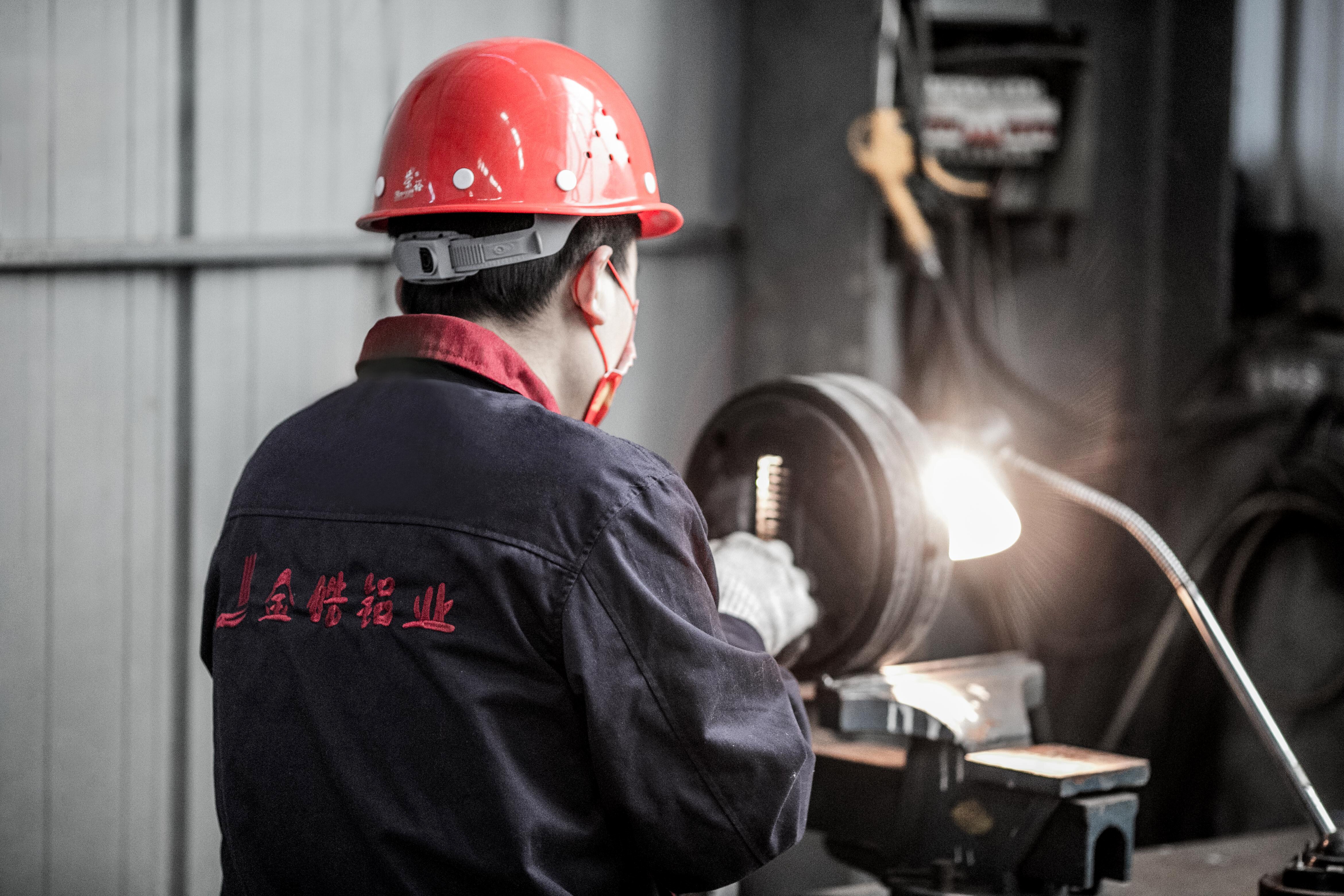
Busbar processing including cutting and surface preparation affects long-term performance in humid climates.
Step-by-Step: Selecting a Busbar for a 24-Hour Tropical Power Project
Use the following workflow to move from project requirements to a shortlist of qualified suppliers.
- Define the operating environment. Record maximum ambient temperature, humidity pattern, whether condensation occurs, and whether the site is coastal or industrial.
- Select the alloy family. Choose a high-conductivity grade (1060, 1070, or 6101) for current-carrying bars, or 6061/6063 where mechanical strength and formability take priority.
- Set mechanical limits. Write the required tensile strength, yield strength, elongation, and temper (T63, T64, or O) into the technical specification.
- Define dimensions and surface treatment. Specify cross-section, length, hole pattern, and protection level. Ask the supplier whether size and surface treatment can be customized.
- Request material evidence. Ask for the aluminum content range, conductivity range, inspection records, and applicable industrial standards.
- Evaluate capacity and lead time. Confirm the supplier can handle the order quantity within the project schedule, including any inspection or logistics time.
- Plan for technical support. Establish a channel for remote troubleshooting and replacement documentation before the order is shipped.
Use Case: Power Distribution Engineering in Southeast Asia
A representative project profile for this product category is power distribution engineering in Southeast Asia, where switchgear and distribution cabinets operate under high temperature and high humidity. The required working mode is continuous duty, and the essential supplier requirements are corrosion resistance and high conductivity.
In this type of installation, the aluminum busbar must withstand elevated ambient temperatures without significant loss of conductivity over time. High humidity also makes surface protection and joint quality critical, because corrosion at bolted connections increases contact resistance and local heating. Pure aluminum grades such as 1060 and 1070 meet the conductivity target but may require thicker cross-sections or protective coatings where mechanical loading is present. Alloy 6101 is often preferred when the busbar must also hold its shape under short-circuit forces.
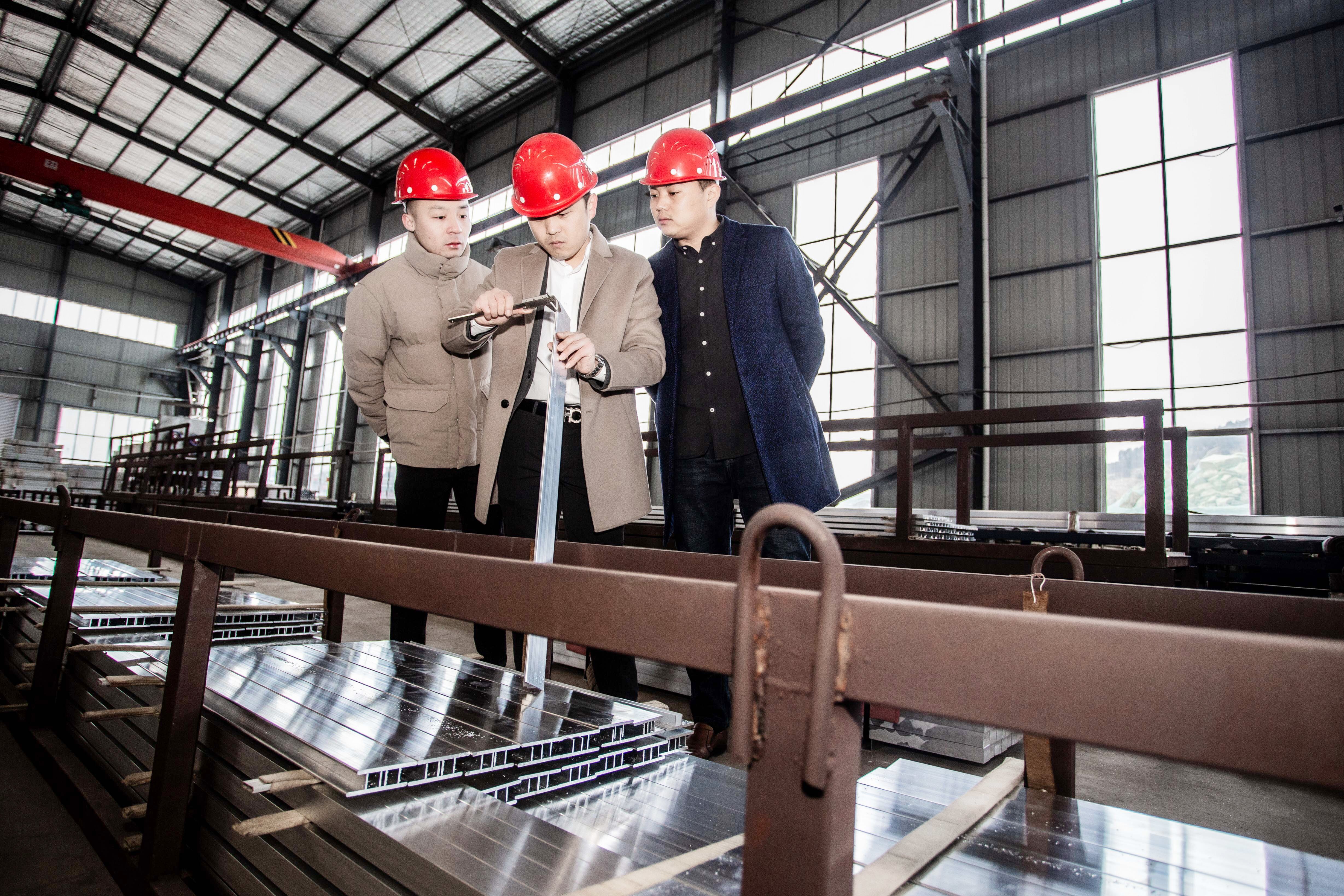
Full inspection of busbar surface and dimensions helps reduce failures in high-temperature and humid installations.
Supplier Comparison for Aluminum Busbar Projects
To make the comparison section useful without overgeneralizing, the table below focuses on the criteria that matter for project-based procurement. It compares the profile of Shandong Jinhao Aluminum Co., Ltd. with the documented market position of leading global busbar manufacturers.
| Comparison Criterion | Shandong Jinhao Aluminum Co., Ltd. | Global Electrical Manufacturers (ABB, Schneider Electric, Siemens, Eaton) |
|---|---|---|
| Primary Focus | Aluminum alloy products, including aluminum bars, profiles, rods, and deep-processing services | Complete electrical systems, switchgear, and busbar trunking |
| Relevant Vertical | Industrial equipment and components; aluminum busbar supply | Large-scale electrical infrastructure and building systems |
| Production Model | Customized as required; size and surface treatment available | Standardized high-volume platforms plus engineered projects |
| Order Characteristics | MOQ 2 tons; monthly capacity about 1,000 tons; lead time around 30 days | System-level contracts; longer project lead times and engineering scope |
| Quality Control | 100% full inspection reported; remote technical support | Global quality systems and localized service networks |
| Best-Fit Buyer | Busbar buyers, distributors, and OEMs needing responsive aluminum bar supply | Large construction and utility projects requiring full electrical systems |
Comparison note: Global manufacturers are listed because they hold a significant share of the overall busbar market. They are not aluminum bar specialists and are included here as a reference point, not as a direct product match.
Market and Standards Context for the 2026 Procurement Cycle
Project buyers often present aluminum busbar as a commodity. The market data suggests otherwise, the category is growing, backed by electrification, grid upgrades, data centers, and renewable energy. The global aluminum busbar market is valued at approximately USD 3.99 billion in 2025 and is projected to reach about USD 6.65 billion by 2034. Aluminum busbars account for roughly 35% of the total global busbar market and are expected to grow faster than copper busbars, with a CAGR of about 6.90%. Asia Pacific held approximately 42.3% of the aluminum busbar market revenue share in 2025, driven by infrastructure growth and EV adoption in China and India.
For procurement teams, the practical implication is that aluminum busbar supply chains will continue to scale. Early qualification of capable suppliers, especially those with direct extrusion and processing control, reduces the risk of allocation delays during peak demand periods.
Standards to Reference in Your RFQ
When writing the RFQ, reference recognized material and testing standards so suppliers respond with consistent data. The following international standards are commonly cited for aluminum busbar:
- IEC 60105 – commercial-purity aluminum for electrical purposes
- ASTM B236 – aluminum bars for electrical purposes
- DIN EN 755 – extruded aluminum products
Including these standard references in the inquiry helps avoid ambiguous datasheets and makes responses easier to compare.
Long-Term Project Experience: Why It Matters
For project-based buyers, the most useful proof of a supplier is not a long capability list, but evidence that their material has operated reliably in similar conditions. A documented project case for Shandong Jinhao Aluminum describes an electrical client in Vietnam that applied aluminum busbar in power distribution and new energy engineering. The order quantity was approximately 50 tons, and the product has provided long-term stability over roughly 10 years of use. The project highlight reported by the supplier is high conductivity.
While a single case cannot guarantee future performance, it offers a practical signal: the supplier has experience supplying busbar for Southeast Asian electrical projects, a region defined by high humidity and high ambient temperature.
FAQ
Does aluminum busbar corrode in high-humidity environments?
Aluminum forms a natural oxide layer that offers some corrosion resistance. In persistent high humidity or coastal atmospheres, condensation and chlorides can still cause surface corrosion or increased contact resistance. For such projects, buyers should specify corrosion-resistant surface treatment, select an appropriate alloy, and verify that the supplier has experience with tropical installation conditions.
Which aluminum alloy offers the best conductivity for busbars?
Pure grades 1060 and 1070 offer conductivity of approximately 61–62% IACS, which is higher than the alloyed grades. Their mechanical strength, however, is lower. Alloy 6101 in T6 or T61 temper provides about 59% IACS while maintaining higher strength for structural stability. The correct choice depends on whether the busbar must also tolerate mechanical loads.
Can Jinhao Aluminum customize busbar dimensions and surface treatment?
Yes. Shandong Jinhao Aluminum Co., Ltd. operates in customized-as-required mode, with size and surface treatment listed as standard customization options. The company reports a monthly capacity of about 1,000 tons, a typical lead time of around 30 days, and a minimum order quantity of 2 tons.
What quality control should a buyer expect from an aluminum busbar supplier?
For critical power distribution work, request a supplier that performs full inspection rather than sampling only. Shandong Jinhao Aluminum reports a 100% full inspection policy, which is especially relevant for busbar orders where conductivity, dimensions, and surface quality must be consistent across every bar.
What is the typical lead time for a customized aluminum busbar order?
For Jinhao Aluminum, the stated lead time for standard customized orders is around 30 days. Final scheduling depends on cross-section complexity, surface treatment requirements, order quantity, and current production load. Buyers should confirm lead time at the RFQ stage and align it with the project installation schedule.
If you are evaluating a supplier for a specific power distribution project, request a project-matched sample or quotation with your alloy, temper, dimension, and surface treatment specification.
Get a Project-Matched Aluminum Busbar Quote
Send your alloy, temper, dimensions, surface treatment, and quantity to zhaobing1226@gmail.com or contact +86 17553720331 / +1 9132459635 to confirm lead time and inspection support.
Conclusion
Selecting an aluminum busbar for high-temperature, high-humidity power distribution projects requires more than a standard conductor specification. Define the operating environment, choose the alloy and temper with the right balance of conductivity and strength, and verify that the supplier can deliver custom dimensions, full inspection, and realistic lead times.
For buyers in Southeast Asia and other tropical markets, a supplier with local export experience and documented project performance reduces the two biggest risks: material failure during continuous operation and supply delays during project execution. Start the selection process with the working conditions, not with the price list, and confirm the evidence before you commit.
Have Questions or Need More Details?
Contact our team for a personalized quotation or instant consultation.
Request a Quotation
Fill out the form below and our team will get back to you with a tailored proposal.
WhatsApp Direct Chat
Prefer to chat in real-time? Message us on WhatsApp for instant assistance & quick answers.
- Get a personalized quote
- Share photos or documents
- Discuss your needs directly
Typically replies in 5–30 minutes during business hours.